Tuesday, March 23, 2010
Ch. 4-6: What would you have done?

Thursday, March 18, 2010
Of Mice and Men: Chapters 1-3
*Although our class is highly poetic, Naturalism is not. The prose focuses less on imagery and more on explanations and details. While some of the novel includes metaphors and similes (especially at the beginnings of some chapters), most of the novel is free of poetic devices.
*Explores sociological conditions in a mostly objective manner (instead of focusing on the beauty of the language)
*Explores conflicts between the social classes, especially the exploitation of workers by those in power. Watch for examples of exploitation on the ranch as well as illustration of larger social issues happening in the 1930s within the novel.
*Creates stories in which the reader is an observor in the story. Many characters strive for the American Dream.
*Focuses on an occupation or trade. In the case in Of Mice and Men, Steinbeck's story also documents the lives of migrant workers in the 1930s.As far as the genre is concerned, Of Mice and Men is written as a play-novel, or a mixture of both. Each of the six chapters is an extended episode- the action takes place in one scene and begins with a description of that scene.
Characters also exit and enter with what seems like stage directions. Also, you've probably noticed the large amount of dialogue.For your reader's blog, mention at least three key events that have struck you so far. Do you notice any possible foreshadowing? Steinbeck is a master of this! Also, what kinds of animal imagery is associated with Lennie? Crooks? (If you read chapter 4 already.) Why does Steinbeck describe these characters in animal terms? What's the effect and purpose? Other than that, please include your thoughts, ideas, interpretations so far. Raise questions to the class if you'd like as well.
Monday, November 9, 2009
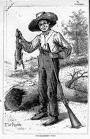
Ch. 32-end: The Exciting Escape!
This section is dripping with satire of romantic writers; which of Tom Sawyer's ideas did you find most ridiculous? Why do Huck and Jim go along with him? What do Huck's actions in this section reveal about his "journey" throughout the novel? (Has he grown or backtracked in this section?) Some critics (Hemingway included) love the book, but are unhappy with the end. Were you satisfied with the ending or do you agree with them? How does the tone of the ending contrast with the rest of the novel? How does the focus/emphasis shift? Are these positive or negative changes? How does Huck fare in the inherited prejudice vs. human dignity spectrum in this part? What are Huck's plans at the end of the novel? What does the last statement he makes tell you about him? How does it relate to a recurring theme in the novel?
Friday, November 6, 2009
Ch. 24-31: Conning the Conmen
What's your opinion of the duke and king at this point? What should Huck and Jim do about them? What do you think is the object of Twain's satrical barbs in the Wilks episode? What is Huck's major moral tranformation? What did you make of his exchanges and thoughts regarding Mary Jane? Could it be love? How does Twain develop the themes of truth vs. falsehood and appearance vs. reality here? Do you notice any irony or foreshadowing in this section? What else were you thinking as you read these chapters?
Thursday, November 5, 2009
Huck Finn Ch. 17-24: Introducing the Duke and King, The Satire Continues...
Soooo, what did you make of the Grangerford episode? Did it remind you of anything? What do you think Twain is satirizing in this section? What do you make of the "duke" and "king"? Which of their antics do you find the most absurd, comical, and/or despicable? What function do you think they serve in the plot/narrative structure? How are they examples of satire? This section takes place mostly on land. Keeping in mind the theme of nature vs. civilization, what is Twain implying by the dark events that occur in this episode? Did you notice any examples of irony, parody, allusion, symbol, or possible foreshadowing? What do you think (or hope) will happen next?
Saturday, August 8, 2009
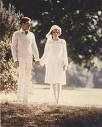
Book Five: A Matter of Life and Death
*Where do they spend the winter? What is the mood?
*Why is Catherine unwilling to get married now?
*How does Catherine plan to change after the baby is born?
*How would you describe the relationship at this point? How has it changed?
*Describe the labor, the alternatives given, and note who makes the decisions. Could things have been different?
*How does Henry feel when he sees his son?
*What happens to Catherine and the baby? Why?
*What is the tone at the end of the novel?
*What do you predict will happen to Henry in the coming years?
This is also a great place to comment on themes or symbols you are thinking about exploring for your essay. Please post any questions you have about the essay here or send me an email: lisa.heartz@bedford.k12.mi.us. Thanks again for your insights!
Book Four: "A Separate Peace"
Some other topics to consider:
*What does the bar operator offer to do? How does he help Henry?
*Who is Simmons and how does he help?
*How does Henry feel about life at this point?
*Is Henry still in danger? What must he do?
*Who is Count Greffi? Why did Hemingway include this scene?
*What kind of person is Emilio? How do you know?
*What happens when Catherine and Lt. Henry reach Switzerland?